Food is one of the most naturally shareable things on social media, which is why Facebook and Instagram can work so well for restaurants. But posting a photo of your burger is not the same as running an ad that fills tables. Here is how to approach it.
Decide the goal of each ad
Restaurants have several different goals, and each needs its own ad:
- Awareness: introduce a new restaurant, menu, or location
- Traffic: drive people to your menu, reservation link, or online ordering
- Promotion: fill slow nights, announce events, and push specials
- Retention: bring back customers with loyalty offers
- Catering and events: promote private dining and large orders
If one ad tries to do everything, it usually does none of them well.
Target the people who can actually visit
Location is everything for a restaurant. Set your audience to a radius around your location that matches how far people realistically travel. Dine-in customers might come from a short drive away, while delivery has a smaller radius. You can also refine by interests and behaviors, though platform options change, so check what is currently available.
Retargeting is especially useful: show ads to people who visited your website or engaged with your page.
What to show in your ads
Short videos. A 10 to 20 second clip of food being prepared, a bubbling pan, or a cheese pull stops the scroll. Film vertically for Stories and Reels.
Great photos. Natural light and clean plates beat heavy filters. Show the dishes people actually order.
The atmosphere. The patio at sunset, live music, a full bar. People choose a place, not just a plate.
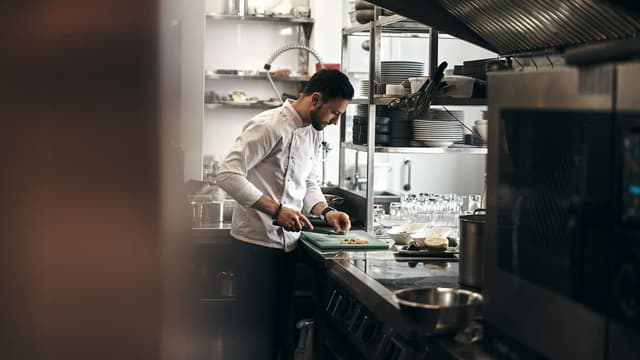
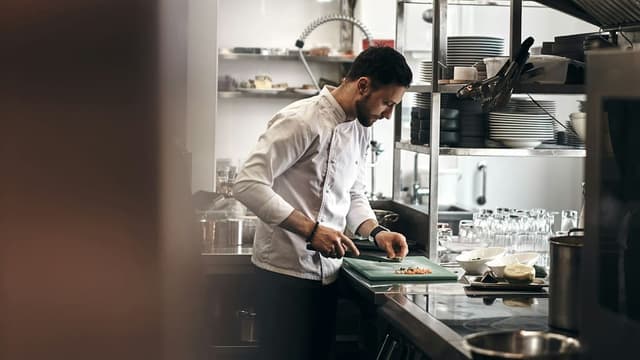
People. The chef, the staff, and happy guests build connection. Get permission before featuring customers.
Clear offers. A weekday lunch special, a happy hour, a family night. Keep the offer specific and simple.
Write short, local copy
Say what it is, where it is, and what to do next. For example (sample wording): "Fresh tacos and cold margaritas, five minutes from downtown. Happy hour 3 to 6, Monday through Friday. Reserve a table." Include a clear button: Order Now, Reserve, Get Directions, or Call.
Time your promotions
Promote what you want to sell when you want to sell it. Run weekend dinner ads early in the week and lunch specials in the morning. Plan around holidays, local events, and your slow periods. Always check that your hours and offers are up to date so no one shows up to a closed kitchen.
Make the next step easy
Your ad should send people to something that works on a phone: a menu that loads quickly, a reservation tool, or online ordering. If the link is slow or confusing, people leave. Make sure your Google Business Profile matches your hours and details, because many people will look you up there before they come.
Do not forget the phone
Some diners still call to ask about wait times or large parties. If no one answers, they will go elsewhere. An AI voice assistant can answer common questions and take reservation requests while your team is busy. Our social media advertising service covers campaigns like these.
Measure what fills tables
Look beyond likes. Track:
- Clicks to reserve or order
- Calls
- Offer redemptions, such as a code or phrase customers mention
- Foot traffic you can connect to promotions, where possible
Ask for reports in business terms: reservations, orders, and cost per result.
Avoid these mistakes
- Boosting every post instead of building a plan
- Using the same creative for months
- Targeting too wide an area
- Running ads with outdated hours or menu items
- Judging only by engagement
Frequently asked questions
Start with a modest test budget, measure results, and adjust. Local restaurants often begin small and scale what works.
Usually both, since ads can run across them together. Check where your customers engage most.
Quality helps, but fresh phone footage in good light can work. Invest where it brings the most return.
What to do next
If you want help planning ads that fill your tables, book a free strategy call. You can also read how we work with restaurants.
Want to check your own numbers? Our free ROAS Calculator shows whether your ads are paying for themselves.